
2023 Sustainable Swaps
- ENRICH Earth

- Jan 26, 2023
- 2 min read
Here are some easy sustainable swaps to create daily green habits.

Reusable Bags
8% of total oil production is used to create plastic (The Yale Ledger). This includes the production of plastic bags. To manufacture the 30 billion plastic bags the United States consumes each year, 12 million barrels of oil are used (The Yale Ledger). After plastic bags are used for an average of 12 minutes, they become waste, creating plastic pollution (The Yale Ledger). Along with reusable bags’ pro of limiting plastic pollution, reusable bags have benefits such as higher quality materials used and the ability to save money the average person would usually spend on plastic bags each year. Invest in reusable bags to keep waterways clear, limit plastic in landfills, prevent the poisoning of wildlife, and save money in the long‑run.
Source: “Why Everyone Should Use Reusable Shopping Bags.” (The Yale Ledger).
Image from @sistain on Instagram
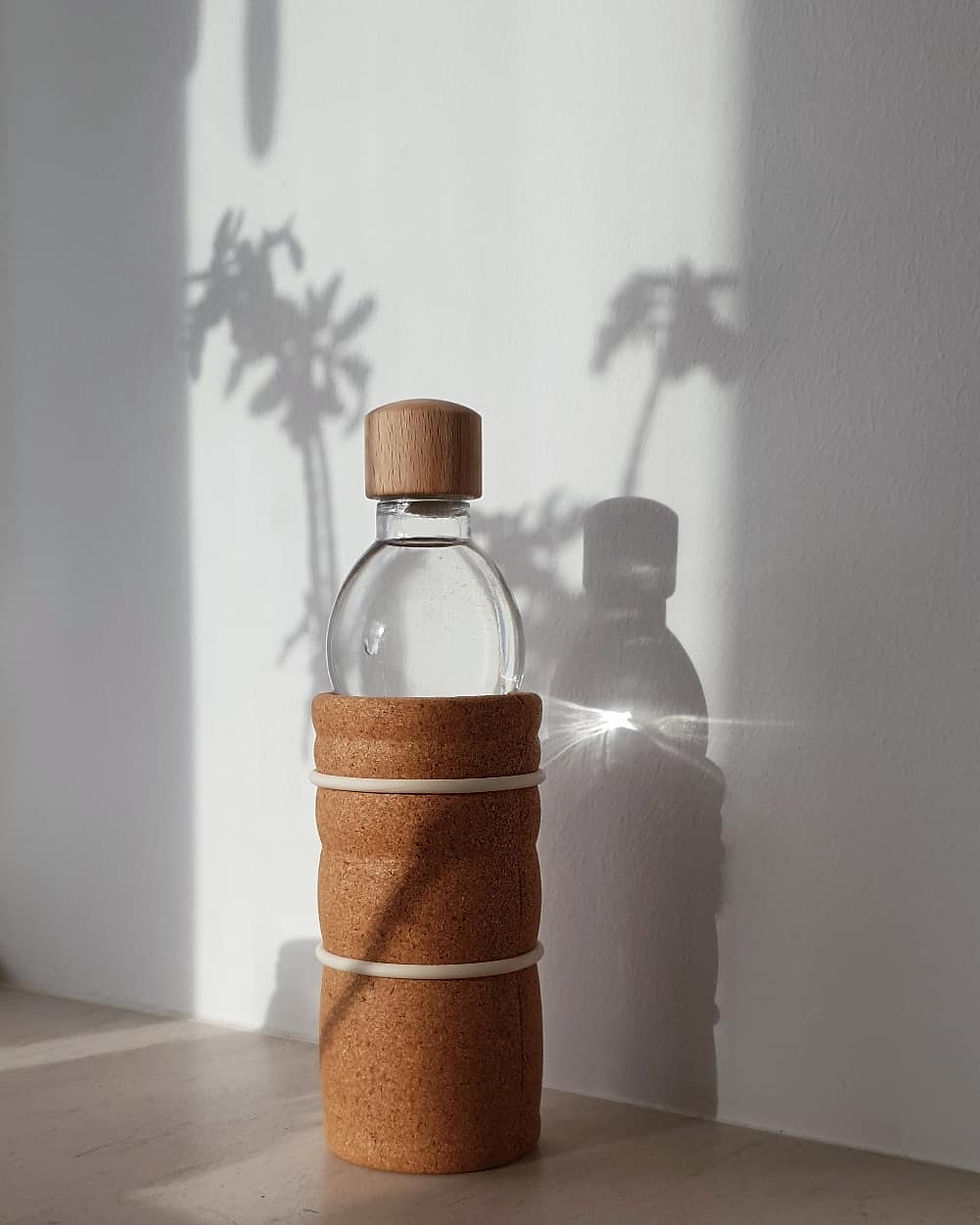
Reusable Water Bottles
Reusable water bottles significantly reduce carbon footprint. They require less oil to produce compared to single‑use plastic bottles, minimizing environmental pollution (Hydro Cell). By investing in a reusable water bottle, there is less plastic in landfills, marine life is protected, waterways are clear, and one saves money on water costs.
Source: “Benefits of Reusable Water Bottles.” (Hydro Cell).
Image from @anna.n.steenberg on Instagram

Reuse Glass Jars
By reusing glass jars, contributions to landfills are reduced. Glass is a durable, long‑lasting, and “corrosion resistant” material, meaning it will not break down like plastic (Techni‑Glass). Differing from plastic, glass is considered to be a generally safe resource. Glass is nontoxic, making it a safe material to refill and reuse (Techni‑Glass). Reuse your glass jars for storage, crafts, vases, planters, or drinking glasses!
Source: “Sustainable Glass — Reuse and Recycle.” (Techni‑Glass).
Image from @ecogreenspirit on Instagram

Second Hand Clothing
Buying clothing second‑hand is great for the planet. Shopping second‑hand keeps textiles out of landfills and prevents the harvesting of too many resources (Home Family). Fast fashion promotes gathering too many resources and producing lower quality products. Second‑hand clothing allows for higher quality products while protecting resources.
Source: “Benefits of Buying Secondhand Clothes.” (Home and Family).
Image from @sec.handcloth on Instagram

Second Hand or
Repurposed Furniture
Similar to buying second‑hand clothing, purchasing second‑hand furniture or repurposing furniture greatly reduces your carbon footprint. The furniture industry is one of the most politics industries on the plant. Building and purchasing new furniture contributes to the fossil fuel industry and deforestation (Greener Ideal). Avoiding purchasing new furniture saves resources and building materials while also cutting back on packing materials.
Source: “What are the Benefits of Buying Used Furniture?” (Greener Ideal).
Image from @houseplantclub on Instagram

Bamboo Toothbrush
Common plastic toothbrushes contribute to the global waste issue; they are made from non‑renewable fossil fuels including polypropylene and nylon (Bam&Boo). Billions of plastic toothbrushes are thrown away each year and end up in our landfills and oceans, taking at least 1,000 years to break down. At this rate, our oceans will contain more weight in plastic than fish by 2050 (Bam&Boo). To combat this issue, bamboo toothbrushes were created from a natural plant that is fully biodegradable.
Source: “Why are Bamboo Toothbrushes Better Than Plastic? (3 Main Reasons).” (Bam&Boo).
Image from @dr.mollyrosen on Instagram


🌿🌲🌱